Light That Switches Gears With You
Welcome to a vivid journey through adaptive lighting designs for spaces that shift between work and leisure, where illumination becomes a quiet collaborator that sharpens focus by day and softens edges by night. We will unpack practical strategies, human stories, and science-backed insights to help your rooms respond gracefully to changing activities, moods, and rhythms. Expect actionable ideas, inviting scenes, and approachable technology that make transformation feel natural. Share your experiences, ask questions, and help shape our next exploration with your lived wisdom.
Why Flexibility Matters From Dawn To Dusk
Hybrid living is here to stay, and light is the easiest lever you can pull to encourage clarity when you need to concentrate and comfort when you want to unwind. Morning coolness can prompt alertness, while evening warmth gently signals recovery. Adaptive approaches let the same corners host video calls, shared meals, or quiet reading without friction. By shaping brightness, contrast, and color, you choreograph days that feel intentional, not improvised. Readers tell us these shifts reduce stress, build routine, and make compact homes feel generously alive.
Human Rhythms And Color Temperature
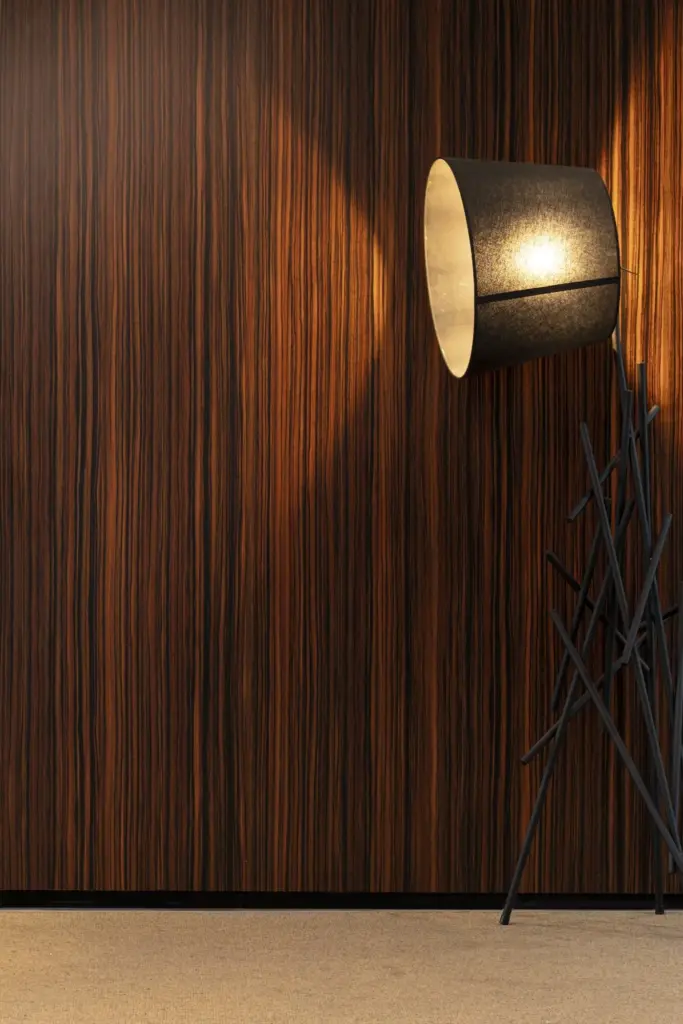
Your body notices subtle cues: cooler, brighter light encourages vigilance; warmer, dimmer light invites reflection and rest. This isn’t decoration; it’s biology cooperating with daily tasks. Starting work with a crisp 4000–5000K scene helps mental acuity, while easing into 2700–3000K after sunset protects wind-down rituals. Smooth transitions, rather than jarring jumps, protect comfort and reduce eye strain. Combine these shifts with short breaks, hydration, and posture resets to compound benefits. Share with us how your evenings improved after adjusting color temperature, even slightly.

Task Focus Without Glare Or Fatigue
Focused work thrives on balanced contrast, minimal glare, and steady brightness. Layer a broad, soft ambient field, then add precise task light where hands and eyes meet effort. Choose diffusers and reflectors that distribute light evenly across surfaces, avoiding harsh hotspots. Keep screens free from reflections by angling fixtures or using indirect bounce techniques. Aim for comfortable brightness rather than extremes, and verify that dimming remains flicker-free across the full range. Your eyes will notice the difference within days, improving consistency, energy, and mood.
Gentle Transitions That Mark New Chapters
When the workday ends, your lighting can help you cross an invisible threshold into rest. Gradual fades, warmer hues, and reduced vertical illumination signal closure for the brain, mirroring a sunset’s unhurried cadence. Consider a five-minute transition scene that lowers ambient light, boosts soft accents, and nudges color toward amber. Add a small ritual—music, tea, stretching—so light becomes a supportive cue. Over time, this consistent handoff eases rumination and anchors evenings with reassuring predictability. Tell us what small transition habit helped you reclaim your nights.
Designing Layered Schemes That Adapt Instantly
A responsive space starts with layers that can play solo or in harmony: ambient for orientation, task for precision, accent for depth, and daylight for life. Each layer earns its role and dimming curve, then scenes stitch them together into fluid combinations. Think of it like a well-rehearsed ensemble, where the melody shifts with your needs. Ceiling grazers, floor uplights, desk lamps, and window strategies cooperate rather than compete. With thoughtful zoning and controls, you pivot from spreadsheet clarity to movie-night warmth with one confident tap.
Smart Controls That Feel Effortless
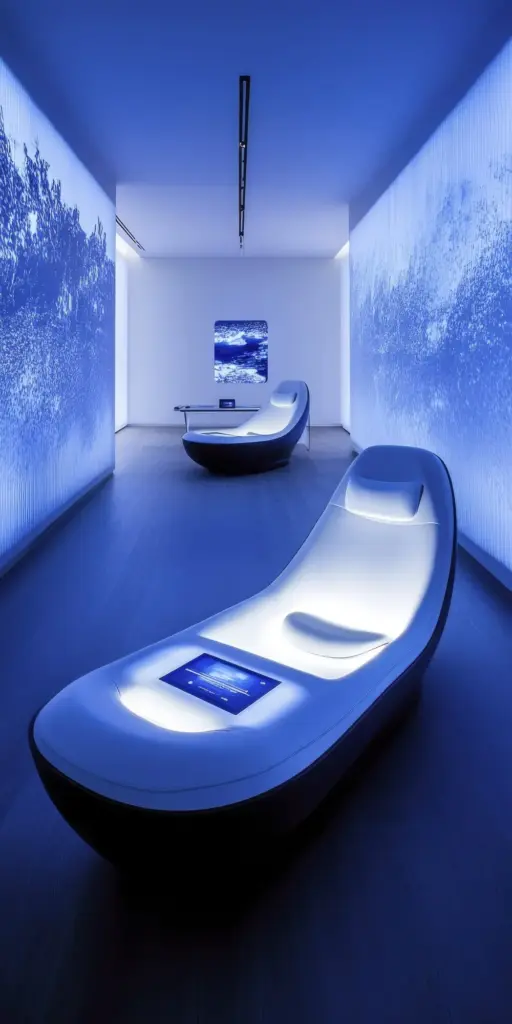
Great control systems disappear into daily life. You should tap once, not wrestle with menus. Scenes that match recurring moments—deep work, calls, family dinner, reading, and wind-down—translate complexity into single actions. Use schedules for gentle circadian alignment, sensors for hallway convenience, and voice only where privacy allows. Wall controls remain crucial when phones die or guests visit. Keep naming consistent and icons intuitive. When technology anticipates, not dictates, it builds trust, reduces decision fatigue, and invites everyone at home to participate with equal confidence and ease.
Color, Brightness, And Biology Working Together

Tunable White Done With Intention
Tunable white is meaningful when it moves slowly and purposefully, matching your day, not chasing novelty. Limit your range to useful anchors—perhaps 2700K bedtime, 3000K evening, 4000K midday—and calibrate scenes that glide between them. Keep color rendering high so skin, wood, and food look alive at every step. If fixtures mix multiple LED channels, ensure dimming maintains chromatic stability. Test across activities before finalizing. The goal is coherence: a living palette that guides attention and rest kindly, helping you sense time without staring at a clock.
Avoiding Color Fatigue And Visual Noise
Too many color changes feel like channel surfing for your eyes. Anchor your palette, then adjust with restraint. Reserve saturated hues for accents or rare moments—celebrations, creative sprints, or wellness cues. Keep backgrounds steady so your brain has a reliable baseline. If you love color, explore gentle pastels in indirect washes rather than intense direct beams. Dim first, then shift hue second. This hierarchy preserves calm while preserving expressive range. Share your favorite calming pairings with our community, inspiring others to build grounded, beautiful evening rituals.
Evening Wind-Down That Actually Works
Two hours before sleep, lower brightness overall and reduce blue-enriched light hitting eyes directly. Prioritize table lamps, wall grazers, and floor uplights that avoid harsh vertical illuminance. Warm to 2700K or lower, adding small amber accents for intimacy. Transition gradually to tell your nervous system, without words, that momentum can loosen. Combine with screen limits or warmth filters for harmony. Track how you feel after a week, then nudge earlier if needed. List your successes and setbacks in comments so others can learn from your journey.
Real-World Stories From Hybrid Homes And Studios
A One-Room Apartment That Breathes
Mira’s 28-square-meter studio felt like a permanent compromise until she layered light. A cool, bright morning scene wakes a foldout desk; a focused task lamp conquers spreadsheets; perimeter uplights soften edges after yoga. She named scenes after feelings—Clarity, Make, Gather, Settle—so her partner could navigate instantly. The biggest surprise was how indirect ceiling washes made the room feel taller. With a thrifted floor lamp and two dimmable bulbs, she achieved spacious calm. Her advice: start with shadows, then paint gently with brightness until everything exhales.
Coworking Lounge That Calms After Five
A small coworking space fought late-day restlessness. They added linear ambient runs tuned cooler mid-morning, then warmer by late afternoon, with pendant accents brightening communal tables. At five, a scheduled transition softened brightness while preserving safe circulation. Meeting-nook task lights remained controllable for stragglers. Staff reported quieter chatter and fewer sharp goodbyes; people lingered to connect, not escape. The manager says educating members about the new scenes mattered most. Naming buttons with verbs—Focus, Pitch, Pause, Unwind—created an easy language that anyone could adopt instantly without training.
Garage Workshop That Transforms On Weekends
Sam’s garage flips between cabinetry projects and family movie nights. High-CRI task bars mount under shelves for precise saw work, while indirect strips trace rafters to create an evening halo. Scenes swap dust for cushions in seconds. A single wall keypad carries clear labels so guests can help. Sam’s favorite trick is a narrow accent on a vintage poster, visible even when ambient levels drop. It feels like a secret handshake welcoming rest. He insists that good cable management and clean optics saved hours and headaches.
Practical Specs, Budgets, And Common Pitfalls
Great results come from a few disciplined choices: accurate color, flicker-safe dimming, thoughtful optics, and controls that age well. Prioritize high color rendering where skin, art, and food matter. Insist on smooth, deep dimming without shimmer. Mix portable and built-in fixtures to stretch budgets. Test scenes at night and on cloudy days. Keep wiring tidy for reliability. Reserve complexity for rooms that need it, not everywhere. The best systems feel inevitable, as if your space always wanted to move this effortlessly between energy and ease.