Space That Bends To You

Today we’re exploring Convertible Decor for Multi-Use Spaces—practical, beautiful ideas that let one room do more without feeling compromised. From foldaway desks to modular sofas and track-mounted dividers, discover strategies, materials, and habits that help your home switch gracefully between work, dining, hosting, and deep relaxation. Expect real-life anecdotes, product-savvy tips, and clever planning moves you can try this week, plus friendly prompts inviting your questions, sketches, and successes.

Map Out Flexible Zones

Before buying a single clever gadget, map behaviors, not furniture. Track how mornings differ from evenings, and where light, noise, and traffic naturally gather. Sketch circulation paths, then mark potential zones with painter’s tape and rugs. Plan power, data, and storage adjacency so conversions feel frictionless. Invite housemates to test scenarios for a week, noting pinch points. Share your experiment results in the comments so others can learn from your layout revelations.

Define Daily Modes

List the exact activities your space must support—video calls, yoga, craft nights, dinners for six, or weekend guests—and rank them by frequency and time sensitivity. Consider adjacency, like wanting the coffee station near the morning desk. Clarify which activities can overlap and which need privacy. This clarity turns vague wishes into tangible dimensions, driving smarter purchases and smoother transitions. Post your mode list below, and we’ll suggest quick wins tailored to your rhythms.

Measure, Mock Up, Iterate

Use tape to mark a pull-out sofa’s full extension, cardboard to simulate a gateleg table, and a chair to mimic desk clearance. Practice moving through every mode change, timing each step. If a conversion exceeds ninety seconds or blocks a door, rethink. Capture photos of mockups and note lessons learned. Iteration here saves money later. Share your mockup snapshots with the community; we love turning rough experiments into polished, reliable arrangements.

Furniture That Works Overtime

Choose pieces engineered for repeated transformations. Wall beds with piston assists, drop-leaf tables with robust hinges, and modular sofas with locking brackets handle constant shifts calmly. Prioritize casters with soft treads, rounded corners, and anchored tall units for safety. Weigh frames before committing; lighter does not mean flimsy if materials and joints are right. Ask in the comments about load ratings or hinge cycles, and we’ll decode specs so you can shop confidently and sustainably.

Fold, Flip, and Slide Mechanisms

Examine counterbalanced wall beds rated for at least ten thousand cycles, multi-pivot hinges on folding desks, and soft-close slides on transformation consoles. Test handles where leverage matters. Seek finger-safe clearances and wall studs for secure anchoring. Consider reach height for all users. Mechanisms should feel smooth, not dramatic. Invite a friend to try conversions, noting strain points. Share a short video of your favorite mechanism in action, and we’ll troubleshoot squeaks or misalignments together.

Modular Pieces You Can Recompose

Look for sofa sections with underside clamps, ottomans that bridge into a chaise, and backrests that swap angles quickly. Favor symmetrical modules to duplicate seating on either side of a room. Storage cubes with uniform sizing act as stools, pedestals, or nightstands. Keep a labeled bin of connector hardware. Recomposition should feel like play, not a chore. Tell us your module dimensions, and we’ll suggest layouts for movie night, guest sleepovers, or crafting marathons.

Layered Access Strategy
Store daily-use items at knee to eye level, occasional gear higher, and rarely used things under beds or deep shelves. Use transparent bins only where visibility helps, and fabric bins where serenity matters. Color-code interiors subtly for quick recall. Add a small staging tray for items that migrate during conversions. Practice a thirty-second reset routine. Comment with your categories, and we’ll sketch a shelf map that aligns effort with real-life frequency.

Double-Duty Containers

Choose ottomans with ventilated compartments for blankets, benches with soft-close lids for shoes, and coffee tables with lift mechanisms for laptop height. Consider toe-kick drawers in kitchens and rolling under-sofa crates. Each container should earn its footprint by serving at least two roles. Keep dimensions modular to stack or slide into new arrangements. Post your room’s width and door clearances, and we’ll recommend containers that won’t jam during quick transformations.

Surfaces For Work, Play, and Gathering

Surfaces dictate how a room performs. Gateleg tables expand for dinner, shrink for stretching. Console-to-dining tables free floor space between meals. Flip-down desks create focus, then vanish. Pair with cable trays, protective finishes, and rounded edges for safety. Ensure knee clearance remains generous after conversions. Let us know your laptop, crafting, or dining dimensions in the comments, and we’ll help match a surface strategy that respects posture, flow, and cleanup realities.

Light, Sound, and Comfort On Demand

Layered Lighting Scenes

Program scenes for work, dining, and bedtime using smart dimmers or simple remote switches. Mix warm accent lamps with neutral task lights to prevent eye strain on screens. Aim sconces upward to broaden small rooms. Use plug-in tracks where wiring is tricky. Label scenes intuitively. Share a photo of your room at night, and we’ll calibrate brightness, beam spread, and color temperature to serve every mode change gracefully.

Acoustic Softeners You’ll Love

Program scenes for work, dining, and bedtime using smart dimmers or simple remote switches. Mix warm accent lamps with neutral task lights to prevent eye strain on screens. Aim sconces upward to broaden small rooms. Use plug-in tracks where wiring is tricky. Label scenes intuitively. Share a photo of your room at night, and we’ll calibrate brightness, beam spread, and color temperature to serve every mode change gracefully.

Microclimate Tweaks

Program scenes for work, dining, and bedtime using smart dimmers or simple remote switches. Mix warm accent lamps with neutral task lights to prevent eye strain on screens. Aim sconces upward to broaden small rooms. Use plug-in tracks where wiring is tricky. Label scenes intuitively. Share a photo of your room at night, and we’ll calibrate brightness, beam spread, and color temperature to serve every mode change gracefully.

Cohesive Style Through Change

Anchor with quiet neutrals across large surfaces, then rotate two accent colors for energy. Follow a loose sixty-thirty-ten balance, flexible by season. Let wood tones bridge rooms, and keep metals consistent to reduce visual noise. Corral small colorful items on trays so they migrate easily. Comment with paint chips or fabric swatches, and we’ll propose accents that won’t clash when your living room becomes a studio, office, or guest suite overnight.
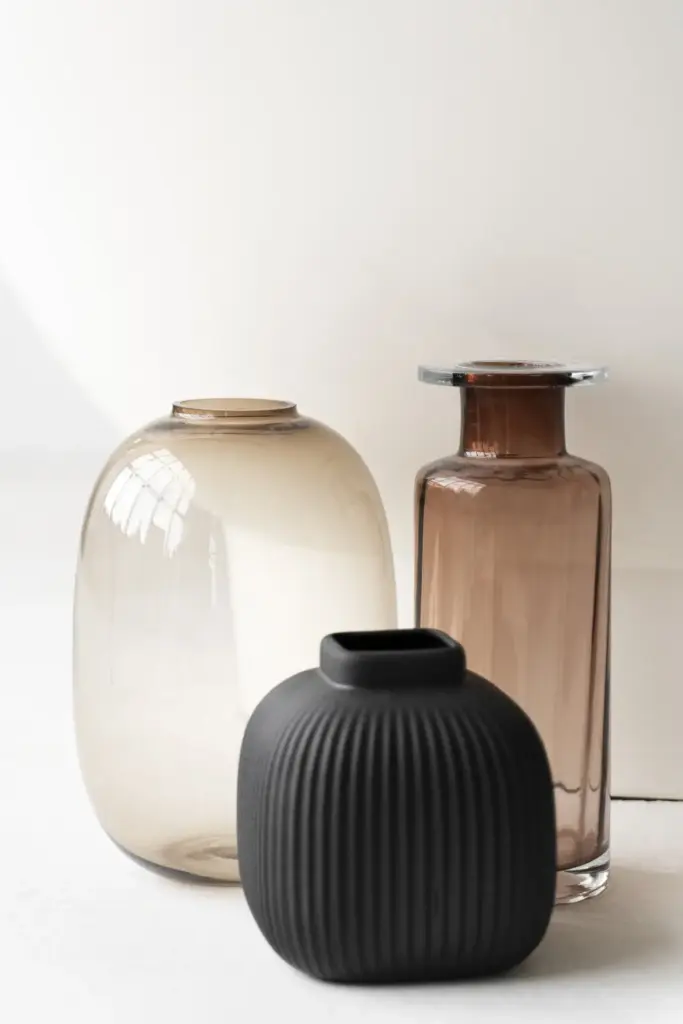
Blend matte ceramics, warm woods, and nubby weaves to add depth as furniture shifts. Use performance velvet for family comfort, leather for durability, and flatweave rugs for easy rolling. Repeat a ribbed detail or stitched seam to unify pieces. Texture doubles as grip on handles and ottomans during conversions. Post a close-up of your favorite material, and we’ll suggest companions that contrast beautifully yet remain harmonious through constant rearrangement.
Create ritual objects that trigger transitions: a tray that lands on the coffee table at movie time, a fold-out mat for yoga, or a lamp that only turns on for reading. Mount a rail for hooks and magnetized pouches, labeling by placement rather than words. These cues prevent decision fatigue. Tell us your toughest transition, and we’ll design a minimal kit to shift your space’s mood in under sixty seconds.
Kiranilotari
Privacy Overview

This website uses cookies so that we can provide you with the best user experience possible. Cookie information is stored in your browser and performs functions such as recognising you when you return to our website and helping our team to understand which sections of the website you find most interesting and useful.