Now You See It, Now You Don’t: The Vanishing Home Office

Today we explore transforming home offices that disappear after hours, turning focused work zones into relaxing living spaces with a few smart moves. Expect practical layouts, clever furniture, stealthy tech, and rituals that help your mind clock off. We will share examples, small-space tricks, renter-safe methods, and budget guidance, plus invites to join the conversation with photos, questions, and wins so others can learn from your journey and celebrate your newfound evenings.

Plan the Disappearing Act

Before buying anything foldable or flashy, map how you work and how you live after hours. Track traffic paths, natural light, and noise sources, then place storage where it vanishes behind doors, curtains, or panels. Prioritize ergonomics during work, yet ensure a swift visual reset for evenings. Share your floor sketch with us, and we will help troubleshoot blind spots, cable choke points, and awkward chair clearance that can sabotage comfort and your nightly unwind routine.

Adaptive Zones That Shift With Your Day
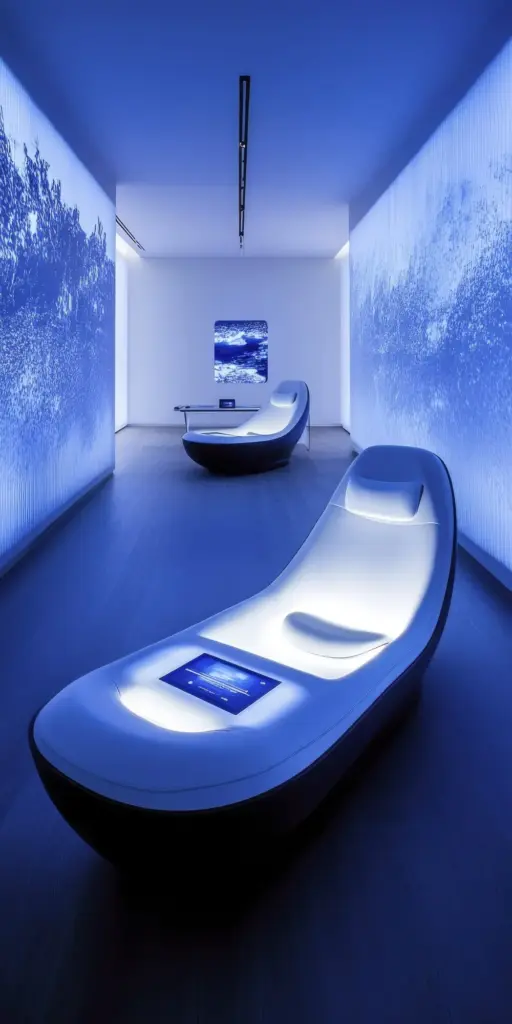
Divide the room into overlapping zones: one for task focus, one for social flow, and one for quiet recharge. Use rugs, lighting, and furniture orientation to signal which zone is active. After work, slide or rotate elements so the task zone dissolves into leisure. This choreography reduces mental residue, inviting your brain to reclaim the space. Send us a quick video walkthrough, and we will suggest tiny pivots with big psychological impact.

Sightlines, Doors, and Hidden Depth

Clutter steals peace mostly through your eyes, not your calendar. Place screens and paperwork outside primary sightlines from the sofa or dining table. If you lack doors, consider shallow depth solutions: panel tracks, freestanding screens, or bookcases backing a desk. Even a curtain with textured weave softens edges. When guests arrive, these layers read as intentional design rather than makeshift dividers. Post photos of your view corridors, and we will spot quick concealment options together.

Furniture That Folds, Slides, and Vanishes
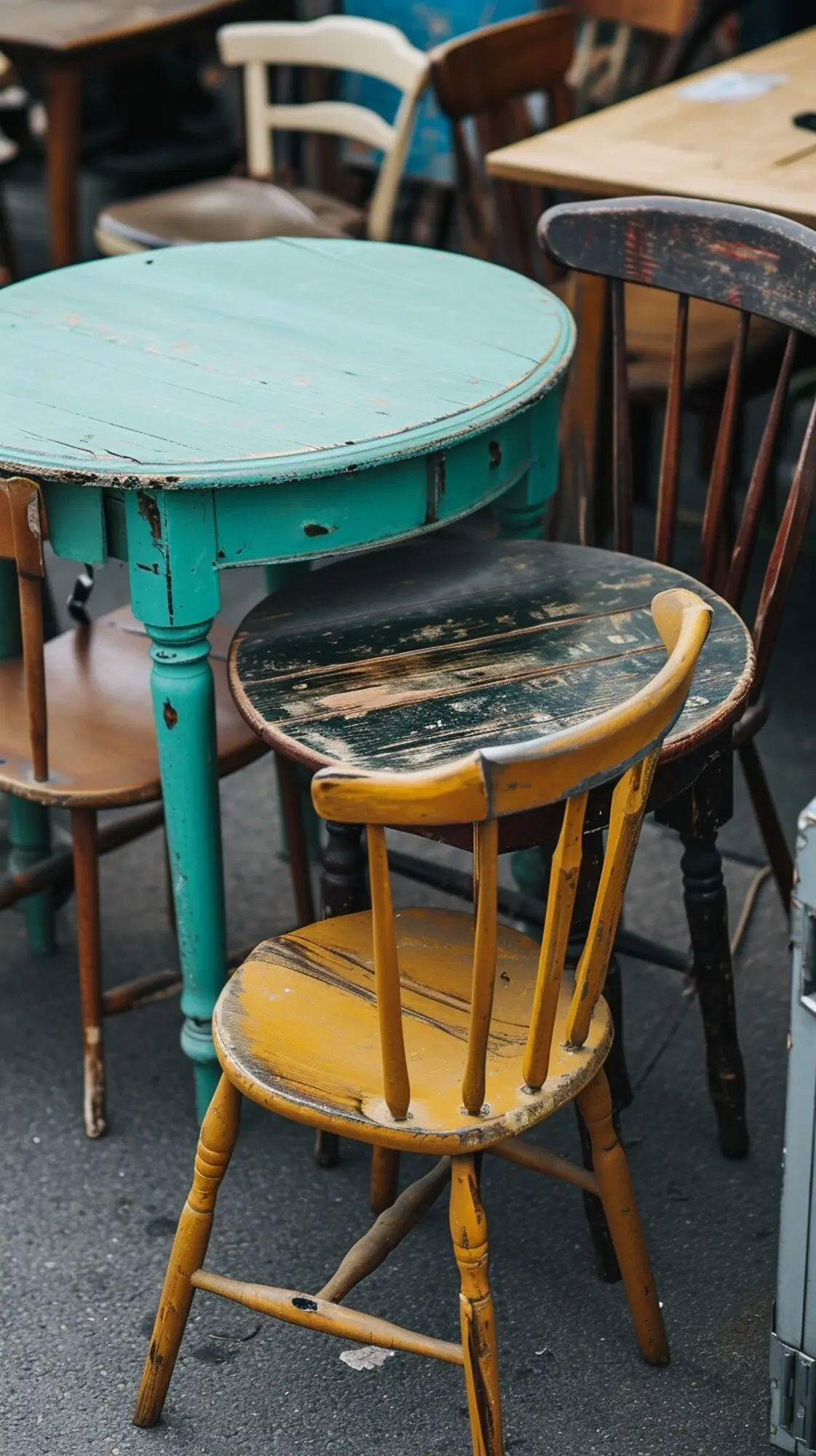
Choose motion with intention. A wall-mounted drop desk, flip-top console, or sliding credenza should lock solidly for typing stability, then fold in seconds. Mind hinge quality, wall anchors, and depth for keyboards and knees. Test fold cycles, cable slack, and chair parking so nothing snags at closing time. If two people share the office, consider twin narrow stations that dock together into a sideboard. Tell us your room width, and we will suggest right-sized mechanics and clearances.

Tech Tamed and Out of Sight

The quickest mood reset often starts with a single cable. Move to a dock that powers your laptop, display, and peripherals in one motion, then park it inside a ventilated cubby. Route cords through grommets and adhesive conduits that disappear along furniture shadows. Use smart plugs and routines to shut down printers and task lamps automatically. Store keyboards and mice in a felt tray that slides closed. Tell us your gear list, and we will blueprint sleek concealment.

Reset the Mood After Work

Even the best hideaway fails if the atmosphere still whispers work. Create layered lighting scenes that switch from focused white to warm pools, add scent anchors that cue rest, and spin playlists that slow your breathing. Use reversible surfaces or covers to replace office textures with cozy materials. Try a sixty-second closing ritual: power, tuck, fold, scent, light. Share your routine and favorite candles or diffusers, and we will compile community-tested combinations that guarantee evenings feel new.

Layered Lighting Scenes

Combine a high-CRI task lamp with under-shelf LEDs and a floor lamp on separate circuits. Program a sunset routine that dims task lights, warms color temperature, and lifts ambient glow. Add a tiny night spotlight for art to redirect attention. Dimmers beat on-off switches for emotional nuance. Readers say this visual handover erases work shadows faster than any app. Send photos of your current fixtures, and we will suggest bulb swaps and scene recipes by room size.

Color Psychology You Can Reconfigure

Introduce reversible desk pads, slipcovers, and art ledges that flip from cool, concentration-friendly tones to warmer, restful palettes after hours. Keep a fabric roll or cork board ready to cover visual clutter zones in seconds. This swap tells your mind a new chapter has started. Lightweight panels let renters play without repainting. Tell us your palette challenges, and we will propose quick pairings that look designer-made yet store flat, maintaining creative freshness through seasons and shifting moods.

Scent and Sound as Off-Switches

Build a sensory handoff that starts when your laptop docks away. Diffuse a grounding scent, cue a specific closing track, and brew a decaf ritual tea. Over time, the trio becomes a conditioned signal that work has ended. Travel-friendly versions keep your habit on the road. Share your signature combination and the exact timestamps for transitions, helping others craft reliable cues. We will highlight standout recipes in a roundup and invite readers to remix them thoughtfully.

Quiet, Boundaries, and Shared Living

Many home offices share walls with life. Layer acoustic rugs, curtains, and book-filled shelves to soften reflections, and close small gaps around doors with inexpensive seals. Establish gentle household signals for meetings or deep work, then clear them at day’s end. Practice short boundary scripts so requests feel kind, not defensive. Celebrate weekly wins together to reinforce respect. Tell us your toughest noise moment, and we will crowdsource fixes from readers navigating kids, pets, and roommates gracefully.

Renter-Smart, Small-Space Wins

If you cannot drill or build, you can still stage magic. Use tension rods, leaning ladders, clamp lights, and command-stripped channels to mount storage and control cables. Convert wardrobes into micro-offices with fold-out trays and a power pass-through. Seek lightweight panels and freestanding screens that read like art. Source secondhand components to stretch budgets and reduce waste. Drop your room measurements and constraints, and we will workshop modular layouts that pack down elegantly when lease terms or life shift.

No-Drill Mounting That Stays Put, Then Leaves No Marks

Leverage high-strength adhesive hooks, surface-safe clips, and tension systems designed for closets. Test loads with water jugs before committing gear. Route power along baseboards using removable covers that color-match. Keep a de-install kit with citrus adhesive remover, plastic scrapers, and patience. Document as you build, ensuring a spotless handover. Share your landlord-friendly victories, and we will amplify clever strategies that respect walls while delivering professional function, then vanish again on moving day without stress or surprises.

Closet and Wardrobe Conversions

Install a shallow desk shelf at elbow height, a pull-out keyboard tray, and a small vertical monitor on an arm anchored to a backing board. Ventilate with discreet grills, light with motion-activated strips, and line doors with acoustic fabric. Nightly, shut everything and display a mirror or artwork. Readers adore this hush-box approach for studio apartments. Tell us your interior width and door style, and we will suggest hinge clearances, shelf depths, and cable ports that keep elegance intact.

Kiranilotari
Privacy Overview

This website uses cookies so that we can provide you with the best user experience possible. Cookie information is stored in your browser and performs functions such as recognising you when you return to our website and helping our team to understand which sections of the website you find most interesting and useful.